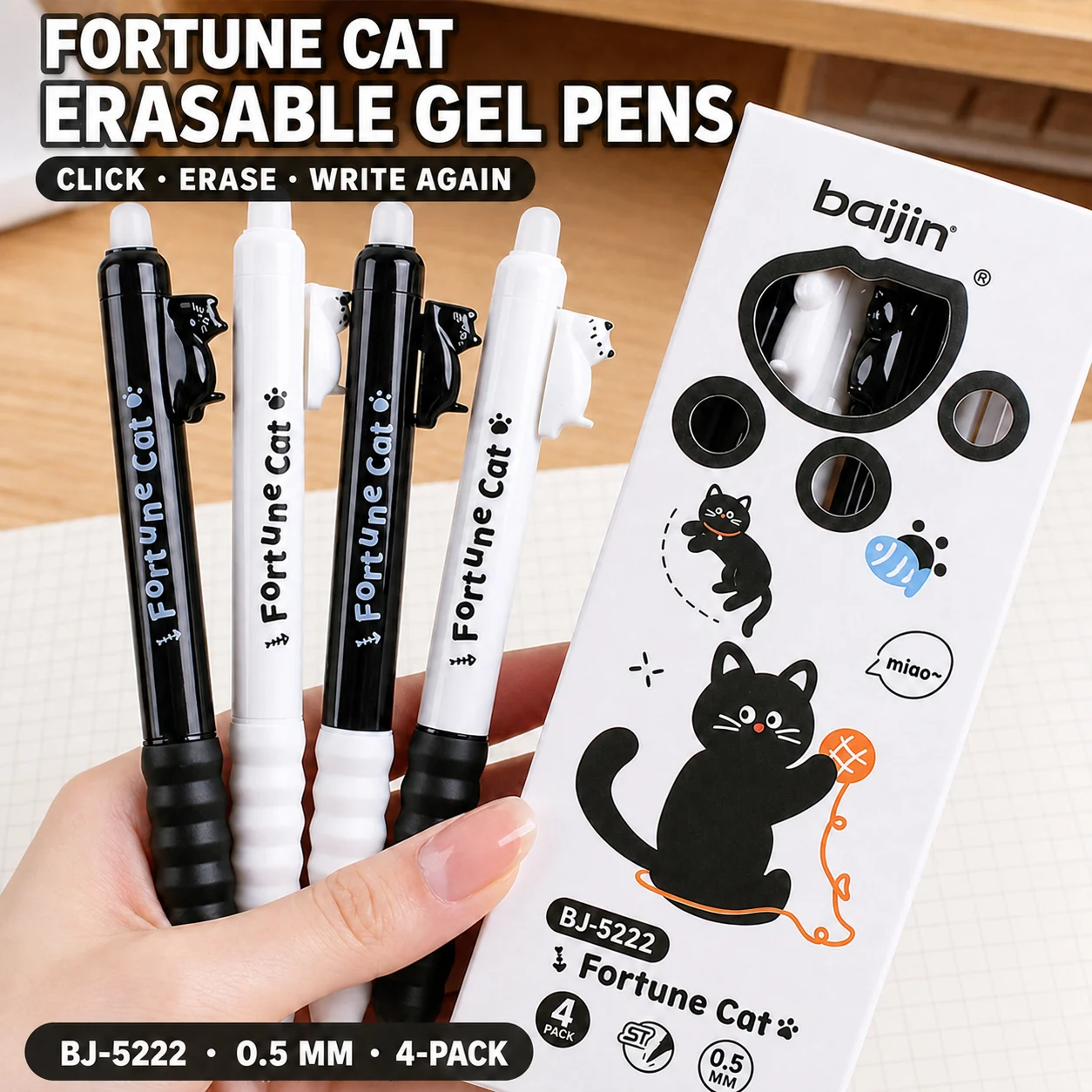
The best student pen balances seven things: reliable ink flow, suitable tip size, quick drying, comfortable grip, compatible paper, practical refill or pack format, and a design students want to use.
Students rarely judge a pen by one feature. A pen can be smooth but slow to dry, comfortable but inconsistent, or attractive but difficult to refill. The best choice is the one that works across a full day of notes, homework and revision.
A detailed r/pens review of more than 40 models scored qualities such as comfort, smoothness, smudging, skipping, value and appearance. That framework is useful not only for individual shoppers but also for retailers and wholesalers planning a student stationery range.
This guide was inspired by recurring user questions, including the Reddit discussion “40 Pens Reviewed: Still on My Quest for the Perfect Pen”. We independently summarized the topic and added practical product-selection guidance.
1. Reliable start and consistent ink flow
A school pen should begin writing without repeated scribbling and continue without unexpected gaps. Inconsistency interrupts note-taking and makes students press harder, which can increase hand fatigue.
Test several pens from the same batch. One excellent sample is not enough for a wholesale decision; consistency across units matters more.
2. A tip size that matches the task
A 0.5 mm tip suits small handwriting, detailed notes and grid-based work. A 0.7 mm tip gives a bolder, often smoother line. Many student ranges benefit from offering both rather than treating tip size as a universal preference.
3. Drying time and smudge resistance
Fresh ink should dry before a hand, ruler or facing page touches it. This is particularly important for fast note-takers and left-handed students. Test on real school notebooks because coated and absorbent papers behave differently.
4. Grip comfort for long writing sessions
A comfortable pen does not need to be bulky. Look for a grip diameter that feels stable, a surface that does not become slippery and a body weight suitable for longer sessions. Soft rubber and textured grips can both work when the shape supports a relaxed hold.
5. Paper compatibility
The same ink can look excellent on one notebook and feather, bleed or dry slowly on another. Evaluate smoothness, show-through and drying on the paper weight sold in the target market. This is especially important for economical exercise books.
6. Refill and pack practicality
Replacement refills can lower the cost per use and keep a favorite barrel in service. For retail, pack count should fit the price point and use case: smaller themed packs work well for gifts, while larger boxes suit classrooms and value-oriented buyers.
7. A design students want to pick up
Appearance is not superficial in a student range. Color, character, tactile detail and mechanism can make writing feel more inviting. The design should add motivation without compromising clip strength, retractable reliability or writing performance.
For distributors and private-label brands, the final decision should combine user appeal with measurable supply factors: MOQ, sample time, packaging options, defect control and repeat-order capacity.
Explore related BAIJIN products
Compare a relevant model or contact our export sales team for samples, OEM options and current quotation details.
Product performance can vary with ink batch, paper, temperature and writing style. Test samples for your intended use. Examination rules and official document requirements must always be confirmed with the relevant institution.